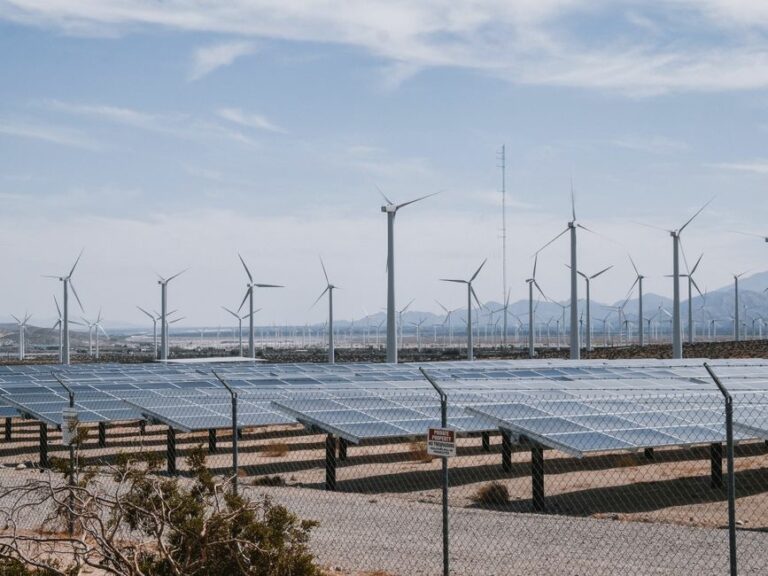
Wind turbine and industrial facility representing environmental credits
The short answer is that the wild west of environmental credit accounting is over. Until now, entities dealing with renewable energy certificates (RECs), emissions allowances, and carbon offsets were forced to borrow accounting models from inventory, intangible assets, or prepaid expenses. On May 19, 2026, the Financial Accounting Standards Board (FASB) finalized Topic 818, establishing the first authoritative U.S. GAAP guidance for environmental credits and obligations. The standard is clear; the application is not. This matters because how you intend to use a credit now dictates where it sits on the balance sheet, how it is measured, and when the associated liability is recognized.
- What the FASB environmental credit standard actually changes
- The compliance vs. noncompliance distinction
- Why recognizing environmental obligations is now a balance sheet issue
- How to prepare for Topic 818 adoption
- Frequently asked questions
What the FASB environmental credit standard actually changes
Prior to Topic 818, the absence of specific GAAP guidance led to highly diverse practices. A manufacturer buying carbon offsets to meet a net-zero pledge might capitalize them as intangible assets, while a utility buying emissions allowances for compliance might treat them as inventory. According to EY’s analysis of the exposure draft, this divergence made peer comparability nearly impossible for financial statement users.
Under the new standard, environmental credits are recognized as assets when it is probable they will be used to settle an environmental credit obligation or transferred in an exchange transaction. If you buy a credit simply to retire it for voluntary ESG reporting without any regulatory or contractual obligation, you expense it. The asset recognition threshold is strict because the FASB wanted to eliminate the practice of capitalizing credits that have no realizable economic value beyond a press release.
The compliance vs. noncompliance distinction
The core mechanism of Topic 818 is intent. The guidance separates credits into two categories: compliance and noncompliance. (The FASB did not set out to make environmental accounting complicated. The outcome speaks for itself.)
| Classification | Definition | Measurement |
|---|---|---|
| Compliance credits | Held to settle a specific environmental credit obligation (e.g., cap-and-trade). | Historical cost, tested for impairment based on the related obligation’s status. |
| Noncompliance credits | Held for sale or exchange to third parties. | Lower of cost or net realizable value (NRV). |
In practice, this means your treasury team and your sustainability team need to communicate before executing a trade. If you buy RECs intending to sell them for a profit, they are noncompliance credits subject to NRV testing. If the market drops, you take an impairment charge. If you reclassify them later for compliance, the accounting gets messy. The requirement to document intent at inception is immediate.
Why recognizing environmental obligations is now a balance sheet issue
Topic 818 clarifies that environmental credit obligations are liabilities that must be recognized when the obligating event occurs. For a utility, this means accruing a liability as emissions are produced, rather than waiting until the end of the compliance period. The liability is measured based on the carrying amount of the compliance credits designated to settle it, plus the estimated cost to acquire any remaining credits needed.
ESG reporting is becoming assurance territory whether firms are ready or not. The SEC’s climate disclosure rules and the CSRD are compliance timelines, not proposals. Firms that have positioned ESG as a marketing function will need to reposition it as a controls function. The adjustment will not be comfortable—especially considering a 2024 Deloitte survey found that nearly 60% of executives cited data quality as their greatest ESG compliance hurdle. If the disclosure in your sustainability report doesn’t match the underlying controls and data for your Topic 818 obligations, that gap has a legal dimension that marketing cannot manage. The obligation measurement requires a direct link between the operational data and the financial liability.
How to prepare for Topic 818 adoption
Most entities will need to overhaul their tracking systems. Spreadsheets will not survive audit scrutiny when the impairment testing requires asset-level tracking of intent, cost basis, and market value. According to PwC’s reporting insights, the disclosure requirements demand roll-forwards of credit balances, including purchases, sales, and retirements.
Start by inventorying every environmental credit contract currently active. Document the intent for each tranche. Then, read the footnotes. The new disclosures require explaining how credits are obtained, how they are valued, and the nature of the related compliance programs. The standard is final. Your spreadsheet is not. Start there.
Frequently asked questions
Does Topic 818 apply to voluntary carbon offsets?
Yes. If voluntary carbon offsets are purchased to be retired without a regulatory or legally enforceable obligation, they are typically expensed as incurred rather than capitalized, as they do not meet the probable future economic benefit threshold for asset recognition under the new guidance.
Are renewable energy certificates (RECs) considered environmental credits?
Yes, RECs are explicitly included within the scope of the FASB’s environmental credit standard. How they are accounted for depends on whether they are held for compliance purposes or for sale to third parties.
How are compliance credits measured under the new standard?
Compliance credits are measured at historical cost and are tested for impairment only if it becomes probable that the related environmental credit obligation will not require their use, or if the carrying amount exceeds the expected benefit.
When must a company recognize an environmental credit obligation?
A liability must be recognized as the obligating event occurs, such as when emissions are generated during a reporting period, rather than waiting until the compliance period concludes.
About the Author